Preventing Basement Water Damage in Richmond: Seasonal Tips for Homeowners
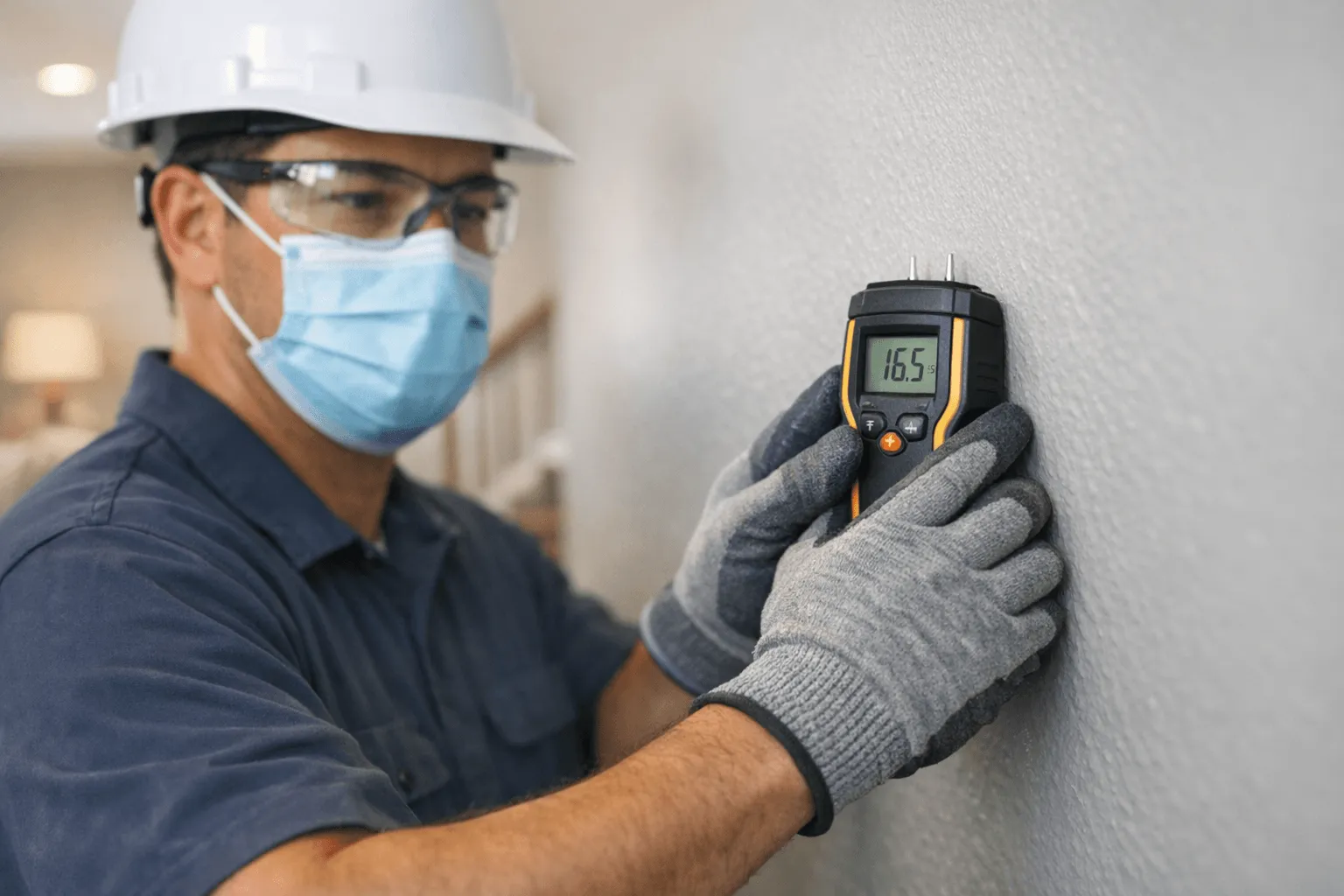
When water creeps into your basement, it doesn’t just leave puddles—it can leave behind costly repairs, mold, and stress. In Richmond, VA, changing seasons bring unique risks to local basements, from heavy spring rains to winter’s freeze-thaw cycles.
At 911 Disaster Restorations, we’ve helped families across Richmond tackle water_damage for years. We know the patterns. We’ve seen the warning signs. Here’s what every homeowner should know to keep their basement dry, safe, and comfortable all year long.
Common Basement Water Risks in Richmond
Basements in Richmond aren’t all built the same, but they do share some familiar foes.
- Rain and Storms: Spring and summer storms can quickly dump inches of rain, testing your foundation for weak spots.
- Clay Soil: Richmond’s soil holds water like a sponge. When saturated, it pushes moisture against basement walls.
- Plumbing Leaks: Old pipes, washers, or water heaters in the basement may fail—sometimes quietly, sometimes all at once.
- Gutter and Drainage Issues: Clogged gutters overflow, sending water straight down your home’s sides and into your basement.
- Snow and Ice: In winter, melting snow and ice can seep through cracks or cause pressure that leads to leaks.
Think of your basement like a ship’s hull. Even the smallest crack can let water in when the pressure rises.
Seasonal Prevention Checklist 🛠️
Each season in Richmond comes with its own basement risks. Here’s your quick, actionable checklist:
Spring & Summer
- Inspect gutters and downspouts; clean them out and check for leaks.
- Make sure grading around your home slopes away from the foundation.
- Check sump pump operation before heavy rains.
- Look for water stains or musty smells after storms.
- Keep storm drains near your home clear of leaves and debris.
Fall
- Rake leaves away from foundation walls.
- Inspect basement windows for broken seals or cracks.
- Schedule a professional moisture-mapping inspection if you notice dampness.
Winter
- Seal foundation cracks before freezing temps set in.
- Insulate pipes to prevent freezing and bursting.
- Clear snow away from basement window wells.
- Watch for ice dams on the roof that could cause water to back up and seep down walls.
Consistency is key. A quick walk-around each season can save you thousands down the road.
DIY vs. Professional Solutions
Some basement water_damage fixes are weekend projects. Others need the right tools and know-how.
DIY Solutions
- Sump Pumps: Install or test your sump pump regularly. Battery backups are a smart investment.
- Dehumidifiers: Run a dehumidifier to keep humidity below 60%. This helps prevent mold and musty smells.
- Caulk and Seal: Use waterproof caulk to seal small cracks or leaks around windows.
- Monitor: Place a moisture meter in trouble spots.
When to Call the Pros
- Water stains keep coming back, no matter what you do.
- You spot mold or a persistent musty odor.
- Floors feel spongy or walls are bowing.
- Plumbing failures (burst pipes, sewage backup).
- After a major storm or flood event.
Professional teams like 911 Disaster Restorations use advanced moisture-mapping tools to find hidden leaks. We also offer dehumidification and storm-damage restoration for the toughest jobs.
Early Warning Signs to Watch 👀
- Musty Smell: A “wet basement” smell means moisture is present, even if you can’t see it.
- Efflorescence: White, chalky residue on basement walls is from evaporating water.
- Peeling Paint or Blistering Walls: Indicates ongoing moisture.
- Visible Mold or Mildew: Especially in corners, behind furniture, or near windows.
- Rust on Appliances or Fixtures: Moist air causes corrosion.
- Puddles or Damp Spots: Especially after rain.
- Increased Energy Bills: Damp air is harder to heat or cool.
Don’t ignore these signs. Early action is always less expensive and disruptive.
DIY vs. Call a Pro: What’s Best for Richmond Basements?
Many homeowners can handle basic maintenance like clearing gutters or running a dehumidifier. But when it comes to persistent leaks, mold, or widespread water_damage, professional help is often safer and more effective.
A professional can:
- Use thermal imaging and moisture-mapping to detect hidden moisture.
- Recommend targeted repairs instead of guesswork.
- Ensure compliance with Virginia building codes and safety guidelines.
- Prevent mold growth and future complications.
If you’re unsure how serious your issue is, a quick professional inspection offers peace of mind.
What to Expect When Pros Arrive
When you call 911 Disaster Restorations for a basement water_damage issue, here’s how we respond:
- Rapid Assessment: We quickly identify water sources using moisture-mapping.
- Water Extraction: Remove standing water fast to limit damage.
- Dehumidification and Drying: Industrial-grade equipment dries your basement thoroughly.
- Mold and Sanitizing Treatments: Address any health hazards from bacteria or spores.
- Structural Repairs: We fix drywall, framing, and replace damaged materials as needed.
- Odor Removal: Restore fresh air, so your basement feels livable again.
Every home is unique, and our experience in Richmond homes lets us tailor solutions that last.
Prevention & Maintenance Tips
- Inspect your basement every season for early warning signs.
- Test your sump pump quarterly (pour a bucket of water to trigger it).
- Keep downspouts extended at least 6 feet from your foundation.
- Store valuables and electronics on shelves, not directly on the floor.
- Use moisture barriers on basement walls if finishing the space.
- Schedule annual professional moisture-mapping for peace of mind.
For more details on how moisture-mapping works, visit our service page.
Costs & Time Factors
No two water_damage jobs are the same. But understanding the typical range can help you plan:
- DIY fixes: Usually cost under $200 for materials like caulk, dehumidifiers, or downspout extensions.
- Professional inspections: Often completed in a single visit, with costs depending on home size and findings.
- Cleanup & repairs: Removing standing water and drying a basement can take 1–3 days. Mold remediation, drywall, or reconstruction may add days or weeks, depending on severity.
- Insurance: Water_damage from sudden events (burst pipes, storms) may be covered. Gradual leaks or neglect usually are not—check with your provider.
Addressing issues early keeps both repair time and disruption minimal.
When It’s an Emergency 🚨
Certain water_damage situations require immediate action:
- Flooded basement with standing water.
- Sewage backup.
- Electrical hazards (water near outlets or appliances).
- Rapid mold growth after water intrusion.
If you’re facing any of these, don’t hesitate. Call a professional 24/7 for emergency response.
FAQ: Basement Water Damage in Richmond
How can I tell if my basement leak is serious?
If water keeps returning, you smell mold, or see damage spreading, it’s time for professional help. Minor leaks can escalate quickly, especially in Richmond’s humid climate.
Is Richmond’s clay soil really that big of a problem?
Yes. Clay soil expands when wet and presses moisture against your foundation, increasing the risk of leaks and cracks.
How often should I check my sump pump?
At least every few months, and always before major storms. Pour a bucket of water into the pit and check that it activates and pumps smoothly.
What’s the biggest mistake homeowners make?
Ignoring small warning signs. Moisture and mold can spread behind walls before you see visible damage.
Local and Seasonal Considerations for Richmond Homeowners
Richmond’s weather is unpredictable. Spring and summer bring intense rainstorms, while winter freeze-thaw cycles stress foundations. The city’s older homes often have aging plumbing or drainage systems, making vigilance critical.
Homeowners who take small, regular steps each season see far fewer emergencies. And when trouble does strike, knowing who to call makes all the difference.
Related Services
If you want to learn more about our specialized solutions, visit our moisture-mapping page or see how our storm-damage restoration service protects Richmond homes year-round.
Don’t wait for water to make itself at home in your basement. Call 911 Disaster Restorations now — or reach us anytime at (888) 823-1446 .