Water Damage in Richmond: What Homeowners Should Do Before Help Arrives
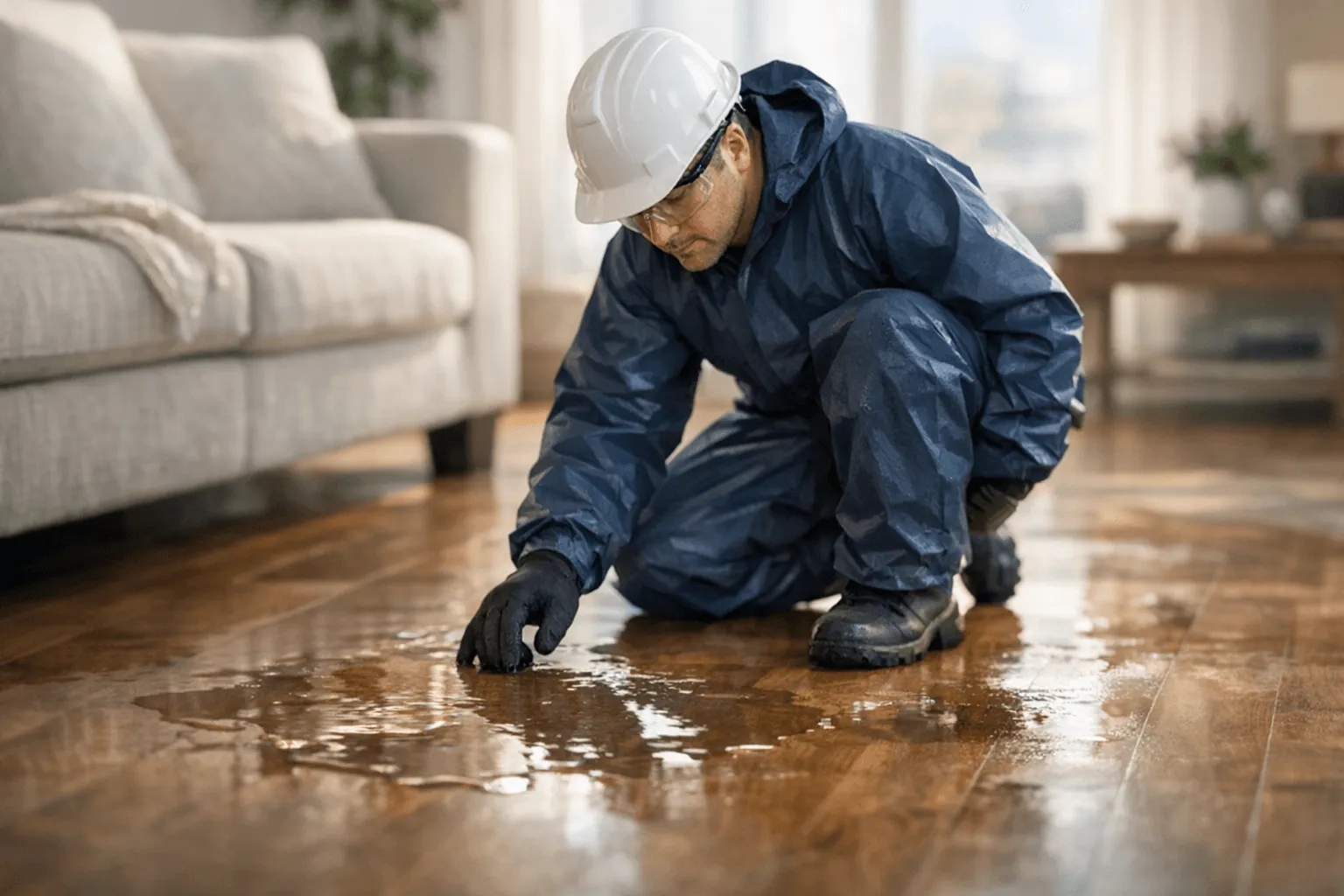
Water damage in your home is never just a small puddle or a little inconvenience. It’s a sudden storm rolling through your world—the kind Richmond, VA knows all too well. Whether it’s a burst pipe after a cold snap or a heavy summer downpour, the clock starts ticking the moment you spot the water.
At 911 Disaster Restorations, we understand how overwhelming it feels. With certified crews trained to IICRC standards and years of local experience, we’re here to guide you through those crucial first steps—before the professionals arrive.
Immediate Safety Precautions
Water can be as deceptive as black ice on a January morning. Before you wade in, pause—your safety comes first. ⚡
- Turn off electricity: If water is near outlets, appliances, or your breaker panel, shut off power at the main switch—only if it’s safe to do so. Never walk through standing water if the power's still on. (Refer to National Electrical Code guidelines.)
- Watch your step: Wet floors are slippery as rain-soaked leaves. Move carefully to avoid falls.
- Avoid contaminated water: If the water smells foul, looks murky, or you suspect sewage, keep out. Some damage is more than just water—it’s a health hazard.
- Check for structural hazards: Warping floors, sagging ceilings, or doors that won’t open may mean hidden damage. Don’t risk it.
First Steps to Limit Damage
Think of water as a guest you need out—fast. Every minute counts, especially with Richmond’s humidity.
- Find the source: Is it a leaky pipe? Broken supply line? Shut off the main water valve if needed.
- Move valuables and electronics: Grab what you can—important documents, family photos, electronics—and get them to a dry spot.
- Lift furniture and rugs: Place aluminum foil or wood blocks under furniture legs to protect them. Roll up area rugs.
- Open windows and doors (if weather allows): Airflow helps slow down water’s spread and lets moisture escape.
- Blot—don’t rub—wet spots: Use towels to soak up what you can, but skip heavy-duty cleaning until the pros arrive.
When to Call Professionals
Some water_damage jobs are too big—or too risky—for DIY fixes. Here’s when to bring in the cavalry:
- Large or spreading water pools that can’t be controlled with towels or a shop vac.
- Water has soaked walls, ceilings, or floors—these materials trap moisture and grow mold fast.
- Electrical or structural concerns: If you see sparks, exposed wiring, or feel floors buckling.
- Suspected sewage or contaminated water: This is a serious health issue—call immediately.
- Persistent, musty odors: This can signal hidden mold or trapped water.
Our team at 911 Disaster Restorations is available 24/7 for emergencies throughout Richmond. We use advanced moisture mapping and water extraction equipment to tackle the job swiftly.
What to Avoid
Some actions can make things worse, even with the best intentions. 🚫
- Don’t use a household vacuum on standing water—it’s dangerous.
- Don’t turn on ceiling fixtures if ceilings are wet or sagging.
- Don’t leave colored items (magazines, throw pillows) on wet carpet—they’ll bleed and stain.
- Don’t ignore the issue: Richmond’s climate means mold blooms quickly—often within 24–48 hours.
- Don’t try to remove wet drywall or insulation alone: Hidden hazards like mold and electrical wiring make this a job for trained technicians.
Printable Checklist Summary
Here’s a quick-reference list you can print and keep handy:
- [ ] Shut off power (if safe)
- [ ] Stop water source (main valve)
- [ ] Avoid contaminated or deep water
- [ ] Move valuables and electronics
- [ ] Prop up furniture, remove rugs
- [ ] Open windows/doors for airflow
- [ ] Call a certified restoration professional
Keep this checklist with your emergency contacts for peace of mind.
DIY vs. Call a Pro
It’s tempting to tackle water_damage yourself, especially if it looks minor. Some situations—like a small spill on tile—may be manageable with towels and fans. But Richmond homes are often built with materials that soak up water fast, and what you see is rarely the whole story.
Professionals use commercial-grade dehumidifiers, moisture meters, and IICRC-approved techniques to ensure every drop is gone—even the water behind your walls. Mold can grow out of sight, weakening your home’s bones and risking your health.
If in doubt, it’s always safer (and often cheaper in the long run) to let certified pros handle the mess.
What Pros Do On Arrival
When 911 Disaster Restorations arrives, here’s what you can expect:
- Thorough assessment: Using moisture mapping and infrared cameras, we determine how far the water has spread.
- Water extraction: High-powered pumps and vacuums quickly remove standing water.
- Dehumidification and drying: Industrial fans and dehumidifiers pull moisture from the air and building materials.
- Sanitizing and disinfection: We use EPA-registered agents to kill bacteria and prevent mold.
- Content restoration: Your belongings are dried, cleaned, and salvaged when possible.
- Structural repairs: Drywall, framing, and flooring are restored to code.
We follow IICRC S500 standards for every step, ensuring your home is truly dry and safe.
Prevention & Maintenance
The best water_damage is the kind that never happens. In Richmond, that means staying a step ahead of the weather and your plumbing.
- Inspect pipes and hoses: Check under sinks, behind appliances, and in your basement.
- Clean gutters and downspouts: Blocked drainage sends water straight into your foundation.
- Seal windows and doors: Stop stormwater from sneaking in.
- Install a sump pump with battery backup: Protect your basement from flooding during power outages.
- Know your main water shutoff location—mark it for quick access.
Costs & Time Factors
Water damage restoration costs and timelines vary widely. Here’s what affects them:
- Size of affected area: A single room dries faster (and costs less) than a whole house.
- Type of water: Clean tap water is easier and safer than sewage or floodwater.
- Time since incident: The longer the water sits, the more damage—and mold—can occur.
- Materials involved: Hardwood floors, drywall, and insulation all react differently.
Most cleanups take anywhere from a few days to over a week for severe cases. Insurance often covers sudden water damage, but check your policy for specifics.
When It’s an Emergency
If you see any of these, don’t wait:
- Water near electrical systems
- Sagging ceilings or walls
- Sewage smells or black water
- Rapidly rising water from storms
24/7 emergency service isn’t just a slogan—it’s a necessity in Richmond’s unpredictable weather.
FAQ
How soon should I act after water damage?
Immediately. Mold can start in as little as 24 hours.
Is all water damage covered by insurance?
Not always. Sudden pipe bursts often are, but long-term leaks or floodwater may require extra coverage.
Can I stay in my home during restoration?
Sometimes, but larger jobs—especially involving mold or sewage—may require temporary relocation.
How do I know it’s really dry?
Professionals use moisture meters and thermal cameras to ensure hidden areas are dry, not just the surface.
Local/Seasonal Considerations
Richmond’s climate brings heavy rains, high humidity, and winter freezes. Spring storms can quickly flood basements, while aging pipes are vulnerable to bursts during cold snaps. If you live near the James River or in low-lying neighborhoods, extra vigilance is crucial. Keep gutters clear before the rainy season, and have your plumbing inspected each fall.
Related Services
Need rapid response and thorough cleanup? Learn more about our Emergency Service and Water Extraction in Richmond, VA.
If water_damage strikes your Richmond home, don’t go it alone. Take swift steps to stay safe, but let professionals handle the rest. Call 911 Disaster Restorations now — or reach us anytime at (888) 823-1446 .