How to Spot Hidden Water Damage in Your Richmond Home
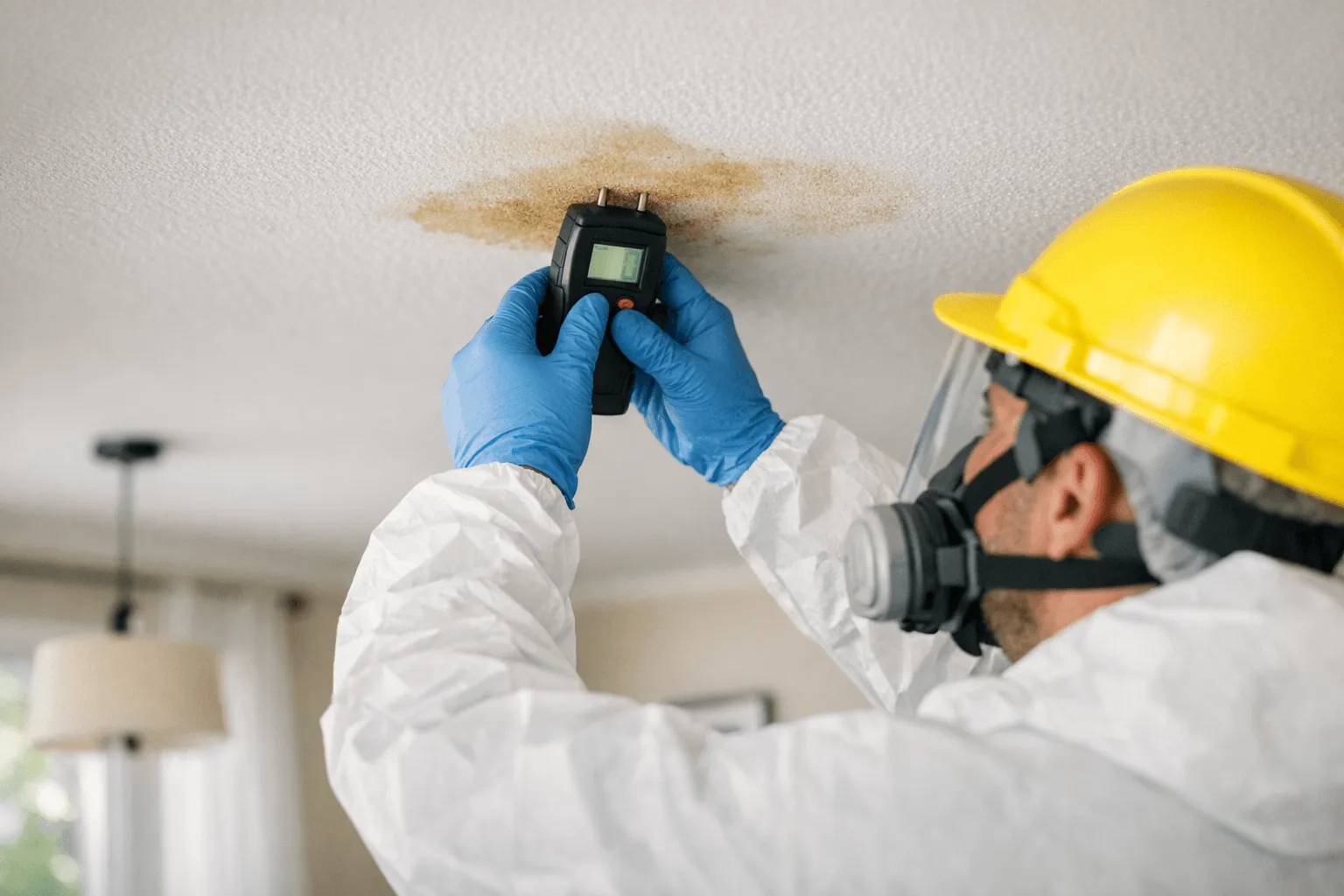
Water damage in Richmond homes isn’t always a dramatic flood or burst pipe. Sometimes, it’s a slow, silent intruder—creeping behind walls, under floors, or above ceilings. By the time you spot the obvious signs, the damage (and cost) can be far worse than you imagined.
At 911 Disaster Restorations, we’ve seen how hidden water damage can catch even the most careful homeowners off guard. Here’s how to spot those early warning signs—before you’re left with a mess that’s both expensive and hazardous to your health.
Why Hidden Water Damage Happens in Richmond
Richmond, tucked between the James River and rolling hills, faces unique water risks. Our four distinct seasons bring heavy spring rains, humid summers, icy winters, and the occasional hurricane or tropical storm. Each brings its own water damage threats.
- Old Homes, Older Pipes: Richmond’s historic neighborhoods are full of charm—and aging plumbing. Tiny leaks can go unnoticed for months.
- Storm Surges: Sudden downpours can overwhelm gutters, seep into basements, or back up drainage systems.
- Seasonal Humidity: High summer moisture can turn a minor leak into a mold breeding ground.
- Foundation Shifts: Virginia’s clay soils expand and contract, sometimes creating cracks for water to sneak through.
Water damage doesn’t always shout. Sometimes, it whispers.
Visual and Non-Visual Clues to Hidden Water Damage 👁️
Like a detective, you need to look for clues—some obvious, some subtle.
What You Can See
- Stains or discoloration: Look for yellow, brown, or coppery patches on ceilings, walls, or floors.
- Peeling paint or bubbling wallpaper: Water loosens adhesives, causing finishes to lift or blister.
- Warped floors or buckling baseboards: Even slight warping can signal water working its way through.
- Visible mold or mildew: Black, green, or grayish spots—even small ones—mean moisture is present.
What You Can Smell or Feel
- Persistent musty odor: A damp, earthy smell can point to hidden mold, even if you can’t see it.
- Unusual humidity or cold spots: Rooms that feel clammy or colder than the rest of the house may have hidden moisture.
- Spongy or soft drywall: Gently press on suspect areas; if it gives, there’s likely water behind it.
What You Might Hear
- Dripping or trickling: Quiet plumbing leaks sometimes make subtle sounds behind walls, especially at night.
High-Risk Areas in Richmond Homes 🏚️
Not every corner of your home faces the same risk. Here’s where hidden water damage is most likely in Richmond:
- Basements: Prone to flooding from rain, rising groundwater, and sump pump failures.
- Attics: Roof leaks from storms, damaged flashing, or clogged gutters can trickle down unnoticed.
- Kitchens & Bathrooms: Sinks, dishwashers, and toilets—anywhere with plumbing—can spring slow leaks.
- Laundry Rooms: Washer hoses and drains are notorious for hidden drips.
- Near Old Radiators or HVAC Units: Condensation, leaks, or overflow pans can cause damage over time.
Quick Safety Checklist
Before investigating, consider safety first:
- Turn off electricity in affected areas if you suspect wet wiring.
- Wear gloves if you’re checking for mold or touching damaged materials.
- Avoid standing water—especially in basements—until a pro rules out electrical hazards.
- If you smell strong mold or sewage, leave the area and ventilate if possible.
DIY vs. When to Call a Pro
Some minor issues—like a tiny ceiling stain—might be safe to monitor. But many situations are best left to certified professionals, especially if you:
- Spot mold larger than a few square feet.
- Notice recurring stains or swelling, which could signal ongoing leaks.
- Find water near electrical outlets or fuse boxes.
- Experience unexplained health symptoms (cough, allergies, headaches).
Professionals use certified inspection methods—like moisture meters, thermal imaging, and air quality testing—to find hidden water and mold. This isn’t guesswork; it’s precision detective work.
What Pros Do On Arrival
When you call a company like 911 Disaster Restorations, here’s what you can expect:
- Certified Inspection: We use moisture mapping to pinpoint where water has invaded—even behind walls or under floors.
- Containment: If mold is present, we isolate the area to prevent spores from spreading.
- Water Extraction in Richmond, VA: Removing standing or trapped water quickly is key to preventing further damage.
- Drying and Dehumidification: Industrial fans and dehumidifiers dry out affected materials.
- Sanitizing and Cleanup: We clean, disinfect, and deodorize, making your home safe to return to.
- Structural Restoration: Damaged drywall, framing, or flooring is repaired or replaced as needed.
- Mold Remediation: Our certified teams follow EPA and IICRC standards to remove mold safely.
Prevention & Maintenance Tips 🛠️
The best fix is prevention. Try these homeowner habits:
- Inspect your roof and gutters every spring and fall.
- Check under sinks and around appliances monthly for drips or puddles.
- Use a dehumidifier in damp areas (like basements) during humid Richmond summers.
- Know where your main water shutoff is—and test it twice a year.
- Keep grading sloped away from your home’s foundation.
- Replace old washing machine hoses every 5 years.
Costs & Time Factors
Water damage restoration costs depend on:
- Size of the affected area: Small spots are less expensive than entire floors.
- Type of damage: Clean water costs less to fix than contaminated (sewage or mold).
- Extent of repairs: Drywall patching is quicker and cheaper than full reconstruction.
- Time to respond: The longer water sits, the worse (and pricier) the damage.
Most residential water damage jobs in Richmond take anywhere from a few days (for isolated leaks) to several weeks (for full structural restoration and mold remediation).
When It’s an Emergency 🚨
Act fast if:
- You see water pooling, especially near electrical wiring.
- There’s sewage backup or strong odors.
- Anyone in your home has breathing problems after a water event.
- Structural elements (floors, ceilings) feel unstable or spongy.
Delays increase both health risks and repair costs. If in doubt, always err on the side of caution and call for help.
FAQ: Richmond Water Damage
Q: Is hidden water damage covered by insurance?
A: Often, yes—especially if caused by sudden events (burst pipe, storm). Slow leaks are sometimes excluded. Review your policy and document damage ASAP.
Q: How quickly does mold grow after a water leak?
A: Mold can start within 24–48 hours if moisture isn’t removed. Richmond’s humidity can speed this up.
Q: Can I just paint over water stains?
A: No. Painting hides the stain, not the problem. Water and mold will come back until the source is fixed.
Q: How do professionals find hidden moisture?
A: We use moisture mapping tools and thermal cameras to detect dampness behind surfaces—far more accurate than touch or sight alone.
Local/Seasonal Considerations
Richmond’s weather is unpredictable. Spring storms, summer humidity, fall leaves clogging gutters, and winter freeze-thaw cycles all increase water damage risk.
- Before storm season: Clear gutters and check sump pumps.
- After heavy rain: Walk your basement and attic for new smells or stains.
- Winter: Insulate pipes and know where to shut off water to prevent frozen bursts.
Related Services
If you suspect hidden water or mold, learn more about our mold remediation and moisture mapping services.
Call 911 Disaster Restorations now — or reach us anytime at (888) 823-1446 .